What is Organic Food and 15 Health Benefits of Eating Organic Food

Organic food refers to food products that are produced, prepared, and processed without the use of any chemicals. It means organic food production prohibits the use of chemical pesticides, chemical fertilizers, or chemical preservatives. Consequently, organic foods are increasingly gaining popularity because a greater portion of the population wants to know it’s benefits. The general public belief is that organic food is healthier compared to conventional ones, and it’s the primary reason for its increased demand over the past decade.

The choice of consuming organic foods is thus a growing trend in the world of today following the realization of healthy self-improvement needs. However, finding accurate facts about organic foods has always been confusing as people have varied opinions regarding its benefits as a whole.

Top 15 Health Benefits of Eating Organic Food

  1. Better overall health

Because organic food is not produced or processed by the use of chemical pesticides or chemical fertilizers, it does not contain any elements of toxic chemicals and may not affect human health in harmful ways. The use of natural techniques such as green manure to fertilize the lands and crop rotation in pest and disease control work absolutely well in producing safer, healthier, and smellier final food products. Besides, healthy foodstuff simply means healthy people and better nourishment for a better living for both people and animals.

  1. Antioxidant content

The positive effects of antioxidants on overall health have been established in a number of scientific studies, especially those derived from organic foods. This is because organic foods are free of foreign chemicals that normally react with vitamins, organic compounds, and minerals thus lowering the essential positive impacts of antioxidants in food products.

Recent studies propose that the consumption of organic food can contribute to more intake of nutritionally advantageous antioxidants and limited exposure to heavy metals. The positive impacts of antioxidants obtained from organic foods include the prevention of heart disease, cancer, vision problems, premature aging, and cognitive malfunction.

  1. Improved Heart condition

Exclusive grazing on natural grass increases the amounts of CLA (conjugated linoleic acid) found in animal products. The sun’s energy is well taken in by natural grass through photosynthesis and is converted into the most desirable organic CLA by the herbivores that feed on it. CLA is a heart-healthy fatty acid with the potential to bolster cardiovascular protection, and it is found in higher quantities in the meat and milk products of animals that have been pastured in free range.

  1. Antibiotic resistance

Humans are susceptible to various health issues and diseases, and most of the time they have to take precautionary measures to ensure they remain healthy. This is achieved by getting a variety of vaccinations and antibiotic drugs when a new strain of virus or bacteria is realized. Similarly, non-organic food sources (especially livestock and feeds) use vaccines, growth hormones, animal byproducts, and antibiotics to treat and feed the animals.

When humans consume non-organic food products, they indirectly consume antibiotics, growth hormones and vaccines which weaken immune systems on account of antibiotic, vaccine, hormones, and animal byproducts overdose. This may alter the immune system thereby rendering humans unable to defend themselves against diseases. The benefit of organic foods is that their production processes do not involve the use of antibiotics, growth hormones, animal byproducts, or vaccines.

  1. Better taste

Apart from nutrition, the mineral and sugar structures in organic foods are tasty because the crops are given more time to develop and mature. The use of natural and environmentally friendly agricultural production techniques is revealed to be the reason for the better taste in organic food products. It is commonly reported that the taste of organic vegetables and fruits are of higher quality compared to those that are conventionally grown.

  1. Pesticide cutback

Chemical pesticide consumption is linked to a variety of diseases and disorders namely cancers, digestive dysfunctions, headaches, ADHD, birth defects, weakened immune system, and even premature death. Organic foods are free of pesticides and that is why they are preferable for attaining a better overall health. As much as pesticides have the power of keeping certain pests away from the crops, they also have potent chemicals like organophosphorus.

These chemicals are unnatural and they are the mineral compounds that bring about several health abnormalities in humans. Organophosphorus, for instance, is associated with various developmental disorders such as ADHD and autism. Organic food products therefore offer a better healthy living, especially for children who are potentially affected by the pesticide toxins during their developmental ages.

  1. Stronger immune system

The traditional or industrial farming practices aim at enhancing production and farm output by all means necessary. For example, the notion of producing more cereals, more meat and bigger fruits through genetic modifications and use of growth hormones seems to solve some of the world’s food insecurity concerns. The effects are not yet visible, but in the long-term, the consequences are sensitivity to allergens and a major reduction in immune system strength.

By eating organic foods, the risks of decline in immune system strength are significantly reduced because organic foods are not altered at all. Furthermore, organic foods have quality and higher vitamin and mineral contents that help to strengthen the human immune system.

  1. Organic products are poison-free

Organic farming does not use any kind of dangerous chemicals to keep away pests and diseases. All the practices are natural and thus do not harm the consumer. Aspects such as biomagnification are lessened via the practice of organic farming as chemical pesticides, fertilizers, herbicides, and artificial growth hormones are all prohibited on an organic farm. Therefore, organic food products are free of contamination with health harming chemical substances.
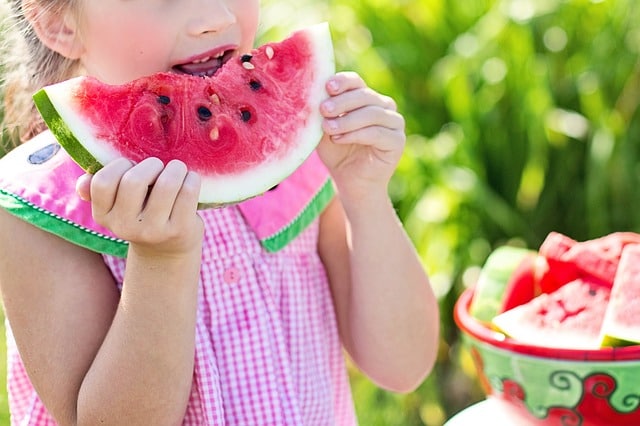
watermelon-summer-organic-food
  1. Consumption of highly nutritious food products

Organic food products such as organic meat, organic milk, organic fish, and organic poultry contain very high nutritional content because they do not contain modified ingredients compared to conventional agricultural food products. Another factor that makes them highly nutritious is that they are given time to develop and are provided with the best natural conditions for growth. The vitamin and
Read the rest
Continue Reading

Organic foods: Are they safer? More nutritious?

Once found only in health food stores, organic food is now a common feature at most grocery stores. And that’s made a bit of a problem in the produce aisle.

For example, you can pick an apple grown with usual (conventional) methods. Or you can pick one that’s organic. Both apples are firm, shiny and red. They both provide vitamins and fiber. And neither apple has fat, salt or cholesterol. Which should you choose? Get the facts before you shop.

What is organic farming?

The word “organic” means the way farmers grow and process farming (agricultural) products. These products include fruits, vegetables, grains, dairy products such as milk and cheese, and meat. Organic farming practices are designed to meet the following goals:

  • Improve soil and water quality
  • Cut pollution
  • Provide safe, healthy places for farm animals (livestock) to live
  • Enable natural farm animals’ behavior
  • Promote a self-sustaining cycle of resources on a farm

Materials or methods not allowed in organic farming include:

  • Artificial (synthetic) fertilizers to add nutrients to the soil
  • Sewage sludge as fertilizer
  • Most synthetic pesticides for pest control
  • Using radiation (irradiation) to preserve food or to get rid of disease or pests
  • Using genetic technology to change the genetic makeup (genetic engineering) of crops, which can improve disease or pest resistance, or to improve crop harvests
  • Antibiotics or growth hormones for farm animals (livestock)

Organic crop farming materials or practices may include:

  • Plant waste left on fields (green manure), farm animals’ manure or compost to improve soil quality
  • Plant rotation to keep soil quality and to stop cycles of pests or disease
  • Cover crops that prevent wearing away of soil (erosion) when sections of land aren’t in use and to plow into soil for improving soil quality
  • Mulch to control weeds
  • Insects or insect traps to control pests
  • Certain natural pesticides and a few synthetic pesticides approved for organic farming, used rarely and only as a last choice and coordinated with a USDA organic certifying agent

Organic farming practices for farm animals (livestock) include:

  • Healthy living conditions and access to the outdoors
  • Pasture feeding for at least 30% of farm animals’ nutritional needs during grazing season
  • Organic food for animals
  • Shots to protect against disease (vaccinations)

Organic or not? Check the label

The U.S. Department of Agriculture (USDA) has set up an organic certification program that requires all organic food to meet strict government standards. These standards control how such food is grown, handled and processed.

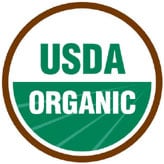
Any product labeled as organic on the product description or packaging must be USDA certified. If it’s certified, the producer may also use an official USDA Organic seal.

The USDA says producers who sell less than $5,000 a year in organic food don’t need to be certified. These producers must follow the guidelines for organic food production. But they don’t need to go through the certification process. They can label their products as organic. But they can’t use the official USDA Organic seal.

USDA organic sealProducts certified 95 percent or more organic may display this USDA seal.
The USDA guidelines describe organic foods on product labels as:

  • 100% organic. This label is used on certified organic fruits, vegetables, eggs, meat or other foods that have one ingredient. It may also be used on food items with many ingredients if all the items are certified organic, except for salt and water. These may have a USDA seal.
  • Organic. If a food with many ingredients is labeled organic, at least 95% of the ingredients are certified organic, except for salt and water. The items that aren’t organic must be from a USDA list of approved additional ingredients. These also may have a USDA seal.
  • Made with organic. If a product with many ingredients has at least 70% certified organic ingredients, it may have a “made with organic” ingredients label. For example, a breakfast cereal might be labeled “made with organic oats.” The ingredient list must show what items are organic. These products can’t carry a USDA seal.
  • Organic ingredients. If a product has some organic ingredients but less than 70% of the ingredients are certified organic , the product can’t be labeled as organic. It also can’t carry a USDA seal. The ingredient list can show which ingredients are organic.

Does ‘organic’ mean the same thing as ‘natural’?

No, “natural” and “organic” are different. Usually, “natural” on a food label means that the product has no artificial colors, flavors or preservatives. “Natural” on a label doesn’t have to do with the methods or materials used to grow the food ingredients.

Also be careful not to mix up other common food labels with organic labels. For example, certified organic beef guidelines include pasture access during at least 120 days of grazing season and no growth hormones. But the labels “free-range” or “hormone-free” don’t mean a farmer followed all guidelines for organic certification.

Organic food: Is it safer or more nutritious?

Some data shows possible health benefits of organic foods when compared with foods grown using the usual (conventional) process. These studies have shown differences in the food. But there is limited information to prove how these differences can give potential overall health benefits.

Potential benefits include the following:

  • Nutrients. Studies have shown small to moderate increases in some nutrients in organic produce. Organic produce may have more of certain antioxidants and types of flavonoids, which have antioxidant properties.
  • Omega-3 fatty acids. The feeding requirements for organic farm animals (livestock) usually cause higher levels of omega-3 fatty acids. These include feeding cattle grass and alfalfa. Omega-3 fatty acids — a kind of fat — are more heart healthy than other fats. These higher omega-3 fatty acids are found in organic meats, dairy and eggs.
  • Toxic metal. Cadmium is a toxic chemical naturally found in soils and absorbed by plants. Studies have shown much lower cadmium levels in organic grains, but not fruits and vegetables, when compared with crops grown using usual (conventional) methods. The lower cadmium levels in organic grains may be related to the ban on
Read the rest
Continue Reading

8 Benefits Of Organic Food

The term “organic food” or “organic products” refers to the way agricultural products and livestock are grown, raised, and processed. Organic agriculture is different from the conventional way of farming.

Organic crops that are considered “organic produce” have to be grown without any GMOs, pesticides, synthetic herbicides, or fertilizers.

When we say “organic livestock” that means that the livestock raised for meat, eggs, or dairy products has to be raised in conditions accommodating to their natural behaviors, with the ability to graze on pasture. They also need to be fed organic feed and forage, and can’t be given any antibiotics or growth hormones. That’s why you often hear that organic meat is better for you.

There are so many health benefits of eating an organic diet. It would be amazing for public health if people tried to eat an organic diet more. You don’t need to change much – you still eat conventional foods you normally eat, but you’re making sure you’re eating healthy food (and organic food is important for food safety).

8 Benefits Of Organic Food

Organic Products Are Fresher

Organic products are much fresher than regular, conventional products. The reason for that is that non-organic products are infused with preservatives that make them last longer. But organic produce doesn’t have any of that, which means it’s fresher. So, that’s one of the best benefits of eating an organic diet.

No Antibiotics Are Used In Organic Products

Non-organic foods (livestock specifically) often have antibiotics in them. When humans consume that food that has antibiotics in it, humans also end up consuming the antibiotics. That can create antibiotic-resistant strains of bacteria, which can alter the human’s immune system, and make them not be able to fight diseases. But when you eat organic products, there are no antibiotics added to that, so it’s completely safe to eat.

Organic Products Aren’t Genetically Modified

Organic products are GMO-free, which is something you should look for in everything that you consume. That means that they are not genetically engineered (their DNAs aren’t altered), but conventionally grown.

While there still isn’t concrete proof, many scientists believe that GMO food causes slower brain growth, internal organ damage, and so much more. So, organic food is better for food safety.

Organic Products Are Better For The Environment

Organic farms use less energy, they pollute the environment a lot less than conventional farms, they conserve water more, increase soil fertility, and reduce soil erosion. Farms that use synthetic pesticides can cause damage to people living nearby, as well as to birds and animals, so organic farms are safer for everyone, since they don’t use any pesticides.

Organic Products Taste Better

Organic products taste much better than non-organic products. They have more nutrients, and the mineral and sugar structures in them are much tastier, because they had time to develop and mature naturally, and no artificial chemicals were added to them.

With organic fruits and vegetables, you’re getting the real and full taste of the product, not an altered one. The quality of the flavors in organic fruits and vegetables is so much higher than in non-organic ones.

Organic Products Don’t Have Any Poison In Them

Organic farming doesn’t use any artificial and harmful chemicals to keep the pests away. That means that they aren’t contaminated with any dangerous chemical substances that could be harmful to consumers, unlike most conventional farms.

Organic Products Are Free Of Pesticides

Pesticides can be very harmful to humans. While they are good for keeping pests away from fruit and vegetables, they are unnatural chemicals and shouldn’t be consumed by humans. Almost all non-organic fruit and vegetables have pesticides, and some even with very high levels of pesticide, which makes them potentially harmful to consumers. Even small amounts of pesticide residue can be harmful if you consume it for every single meal (if all of your produce has pesticie residue).

On the other hand, organic products are pesticide-free, which makes them healthier and much safer to consume.

Organic Products Have More Antioxidants

It is a well-known fact that antioxidants have a very positive impact on our health. As many studies show, antioxidants are even healthier when they come from organic food.

The reason for that is that non-organic food has chemicals, and they can lower the value of antioxidants, whereas with organic fruit and vegetables, there are no chemicals, so you get full benefits of antioxidants when you eat your produce.

Tips For Buying Organic Food

Compare Prices

Organic food is usually more expensive than non-organic food, because it takes longer to produce and there is less organic food in grocery stores than non-organic food.

So, how can you buy organic food without breaking the bank? Well, compare prices in different stores. Many stores have different prices, sales, coupons, so look around and try to find an option that is the most budget-friendly.

Shop At Farmers Markets

Farmer’s markets can often be a lot more budget-friendly than grocery stores or supermarkets, plus, they have more fresh, organic fruit and veggies for you to choose from. So, go to your local farmers market, and stock up on some delicious, healthy, and organic fruit and vegetables.

Buy Fruits And Veggies That Are In Season

This tip is very important – buy fruits and veggies that are in season. When buying organic produce, you need to shop in season. It not only makes it less expensive, but you’ll be able to find what you’re looking for a lot easier if it’s in season when you’re shopping. Because organic produce doesn’t have any chemicals added to them, you can’t get them when they’re not in season.

Join Food Co-Ops

Cooperative grocery stores usually offer lower prices for their members that pay an annual fee. So, if you want to buy organic food on a budget, joining a food co-op would be a good idea. In the end, it ends up being worth it, because you’d be saving all of the time, especially since eating organic food all … Read the rest

Continue Reading

5 ADVANTAGES OF EATING ORGANIC FOOD

Organic food can be more expensive than non-organic, but is it better for you or the planet? In this article, we look at the advantages of eating organic – so read on to discover five good reasons to choose organic food, all backed by facts.

Organic Farming Produces More Nutritious Food.

Perhaps not surprisingly, organic farming produces nutritious food. According to a study in the British Journal of Nutrition – organic foods have higher concentrations of antioxidants than conventionally grown foods. Antioxidants have previously been linked to a reduced risk of chronic diseases, including neurodegenerative diseases and certain cancers. The study suggests the level would be equivalent to eating 1-2 extra portions for fruit and veg per day. Bonus! However, no long-term studies showing health benefits from a broad organic diet have yet been conducted.


Organic Foods Contains Lower Levels of Chemicals 

It’s well-known that it’s recommended to eat at least five portions of fruit and vegetables per day. In fact, it’s ideal if you can eat at least ten, but did you know that conventionally farmed produce can contain higher levels of pesticides and metals than organic fruit and vegetables? Organic farming is backed by a rigorous certification process, and crops are heavily restricted from using pesticides. The frequency of occurrence of pesticide residues was found to be four times higher in conventional crops. Levels of the toxic metal cadmium were also 48 percent lower in organic crops than conventional ones, and cadmium has been classed as a probable carcinogen in humans. People with allergies to chemicals may find their symptoms lessen when they eat organic.


No Genetically Modified Ingredients

Organic standards also ban genetically modified ingredients, and the fruit and vegetables grown organically are never washed in chlorine. Whilst GM foods are very limited in the UK; most non-organic livestock is fed with them. Meat, egg and dairy products are therefore widespread and unlabelled in supermarkets. Little is known about the long-term effects of GM foods, and there is some concern about them causing possible allergic reactions and other health issues.


Organic Farming is Better for Nature    

Organic farming promotes soil health and therefore reduces soil degradation. It also causes less pollution to rivers and waterways than conventional farming. According to the Soil Association, adopting nature-friendly farming and other key changes to the food system could keep global warming below 2°C. Organic farming usually attracts a greater abundance of wildlife too. Pollination is critical to the existence of most of the crops we eat, yet numbers are declining rapidly. Some researchers believe that switching to sustainable practices could halt the decline as it has a positive effect on biodiversity. Plant, insects and wildlife are up to 50% more abundant on organic farms.


Organic Farming is better for Animal Welfare

The Soil Association standards for organic farmers ensure that animals are given plenty of space, fresh air, access to pasture and kept in conditions that suit their natural behaviour. As a result, farmers avoid giving them hormones and antibiotics. Treating livestock ethically is one of the fundamental principles of organic food production. So supporting organic farming is best if you care about animal welfare.

So overall – eating organic is great for you and the planet because organic farming adheres to strict legal standards that prioritise soil health and animal welfare. All of Plenish’s plant-based milks and cold-pressed juices and shots are made from sustainably sourced ingredients and certified organic by the Soil Association

Read the rest
Continue Reading

Health Benefits of Organic


Organic products reduce public health risks to farm workers, their families, and consumers by minimizing their exposure to toxic and persistent chemicals on the farm and in food, the soil in which they work and play, the air they breathe, and the water they drink. Children are especially vulnerable to pesticides. Thus, offering organic food and fiber products into the marketplace gives parents the option of choosing products produced without the use of these toxins.

Not only does organic production help reduce public health risks, mounting evidence shows that food grown organically are rich in nutrients, such as Vitamin C, iron, magnesium, and phosphorus, with less exposure to nitrates and pesticide residues in organically grown fruits, vegetables, and grains when compared to conventionally grown products.

While proving health benefits of eating a particular food is a complex question to answer, evidence is mounting that there are some healthier nutritional profiles linked to consuming various organic products. For instance, a research article published in December 2013 in PLOS ONE found that organic whole milk contained significantly higher concentrations of heart-healthy omega-3 fatty acids compared to milk from cows raised on conventionally managed dairy farms. Meanwhile, a research article published in the journal Food Chemistry found organic soybeans have a healthier nutritional profile from conventionally grown or genetically modified Roundup Ready soybeans.

Read the rest
Continue Reading

Effects of heat on vegetables

Reasons for which vegetables are cooked

  1. To soften the product
  2. To improve the flavor.
  3. To increase the digestibility.
  4. To preserve the vegetables.

Effects of heat on vegetables

Cooking is the application of heat to food to make it safer to eat, digestible and more palatable. Cooking also changes the appearance of the food. Heat breaks down the cellulose and the starches present, changes and blend flavor within the food, and also destroy bacteria to make food digestible.

  • CARBOHYDRATES: Caramelization and Gelatinization. Both sugar and starch are carbohydrates. Caramelization is browning of sugars and Vegetables get softened by the gelatinization of the starch.
  • VEGETABLE FIBERS: Fibbers are a group of complex substances that give structure and firmness to plant. they cannot be digested. Heat breaks down the fibers. Alkali makes fiber softer but make them mushy and lose essential vitamins.
  • MINERALS, VITAMINS, PIGMENTS AND FLAVOUR COMPONENTS: Minerals dissolve in water during cooking. Vitamins and pigments may also be destroyed by prolonged cooking. Pigment and flavor may also determine whether the food is appetizing enough to eat or not.
  • PROTEIN: When heat is applied to the protein they become firm or they start to coagulate with heat. Proteins become tough and dry when exposed to high heat.

Various Rules For Vegetable Preparation

  1. Do not let the vegetable soak in water unless necessary.
  2. Wash the vegetables just before peeling.
  3. Cook or bake the vegetable in their skin.
  4. Use the minimum amount of liquid during boiling.
  5. Use the water in which the vegetables are boiled (pot liquor).
  6. Use the correct cooking medium which can be acidic, alkali or neutral.
  7. Cut the vegetable as near to the cooking time as possible.
  8. Serve the food as soon as it is ready for the service.
  9. Keep the oxygen away from the vitamin-rich foods by covering them with water.
  10. For uniform doneness, cut into uniform sizes before cooking.
  11.  If vegetable must be cooked in advance, slightly undercook them, cool rapidly in cold water, drain and refrigerate, then reheat to order.

Suggestive cooking for different vegetables

  • Boiling: This is the most common method of cooking vegetables. For green vegetables such as peas, french beans, etc. The vegetables are put in boiling water and cooked for the minimum time possible and refresh to avoid overcooking. Green vegetables while boiling should not be covered; otherwise, their color will be changed to olive green. Root vegetables should be placed in cold water and the pot should be covered by a lid, the water is brought to boiling point then simmer till the vegetables are cooked.
  • Steaming: vegetables are cut into even size after washing and placed in the steamer for cooking. This method helps in the maximum preservation of the nutrients and good for peas, beans, cauliflower, cabbage, etc.
  • Braising: vegetables after blanching are laid on aromatic to be braised such as cabbage, onion, etc.
  • Baking: vegetables baked in a baking oven suitable for potatoes, tomatoes, pimentos, etc
  • Roasting: some vegetables can be roasted. They are placed in a hot pan containing oil and condiments suitable for potatoes, onions, and parsnips, etc.
  • Shallow frying: it is applicable for mushrooms, onions, pepper, tomatoes, etc.
  • Deep frying: vegetables such as potatoes, brinjals and onions can be deep-fried but a loss of vitamins takes place in this method of cooking.
  • Grilling: small potatoes can be grilled to give color.
  • Stewing: vegetables such as marrows, peas, etc. Can be stewed.

How to Retain the color of Green Vegetables

  • Cook them uncovered to allow the vegetables volatile acid to escape. when the vegetables are cooked with a cover, the plants natural acid in leeched into the cooking liquid and is trapped there creating an acidic cooking medium. This combined with the heat present and destroys the pigment.
  • Cook them quickly until just “Al Dente”, Extended exposure to heat will destroy the color.
  • Steam Green vegetables whenever possible, this shorten the cooking time, allows for less acid build-up and retain more color.
Read the rest
Continue Reading

Top 5 Benefits to Cooking Your Own Food

You are what you eat, as they say. If everything you eat are greasy, unhealthy processed foods, know that there is an alternative.

Want to start eating healthy food on a more regular basis? Try cooking meals yourself! Here we list some of the many perks of preparing your own dishes.

You Can Choose What to Eat

If you know how to cook meals for yourself, you can choose anytime what to eat. Want curry for lunch? Done. You won’t even have to go out to dine.

At the same time, there’s a sense of accomplishment in being able to perfect your favourite dish. You’ll be rejoicing the first time you get that chicken parmigiana perfectly, and this could do good for your morale throughout the day. With every meal mastered, you build up a skill set and only get better with practice.

It’s Much Cheaper

Cooking your own food is generally cheaper than eating out. However, lots of working adults tend to consume food away from home practically every day, not necessarily by choice, but because they simply don’t have the time, or can’t make their own food. Some even resort to eating fast food daily, which is extremely unhealthy.

What they don’t realise is that eating homemade meals can save lots of cash, aside from other benefits. In fact, people who choose to cook at home more often than eat out “tend to have healthier overall diets without higher food expenses.”

Quality of Life is Better

Taste, culture – these are essential to being human. These are the only things that separate us from other creatures, and this tenet applies to everything from literature to fashion, as well as to food.

Hence, having a general proclivity to seek out good food will not only work for the benefit of your taste buds, but also to your overall well-being and quality of life.

You’ll Impress Your Friends and Family

Being able to cook, and being great at it, is an almost surefire way to impress people around you. Because who doesn’t like good food, right? For gatherings with friends or family, they’ll be begging you to make those excellent deep-fried chicken and corn rolls you prepared for them last time.

Also, being able to cook excellent meals will work wonders for your partner’s happiness. Trust us on this.

It’s Healthy

This is a no brainer. Cooking your own food is much healthier than eating fastfood, especially if you make an effort to prepare more healthy meals.

By eating healthy, you will experience decreased blood pressure, cholesterol, and blood sugar levels. Likewise, the risk of chronic diseases such as cardiovascular disease and diabetes will be significantly reduced, and those taking medication for such diseases may see a decrease in their prescribed dosage, as well.

Not only that, your body will thank you for your lifestyle choices. You will begin to feel better almost instantly, and find yourself gaining energy and improved mental clarity, as well as confidence. All this comes with deeper sleep and reduced pressure off joints.

Ready to begin your culinary journey? Pick a cooking class to start learning in person or online!

Read the rest
Continue Reading
Preparing the Most Delicious Chicken Hot Wings Ever

Preparing the Most Delicious Chicken Hot Wings Ever

It might be the fact that you are searching for a fabulous recipe for making the best chicken hot wings. They are actually an enjoyable treat for satisfying your near and dear ones. However, not every individual would like to grill them in the same manner. While some like scorching chicken wings, others might prefer much more mellow wings. Some individuals like their chicken wings to be overloaded with all types of marinade and others enjoy these without any sauce whatsoever. It will be sensible on your part to offer choices for the guests out there. This will help to make sure that everybody gets the best hot wings for satisfying their taste buds.

Deep frying

There are quite a few ways for fixing the best possible chicken wings of all time. Most individuals prepare them by deep frying the wings although many of them don’t comprehend that these can be fixed in many different ways. In case you like to deep fry the wings, it will be imperative to blend the meat with the flour combination of yours, and following this, you have to put them in hot oil for frying. As a matter of fact, you will come across numerous chicken wing recipes on the Internet which will help you to get the job done.

Baking or grilling

Baking or grilling will be a better option for you as compared to deep frying in case you’d like to control the number of calories that you are consuming. In fact, calories derived from a baked chicken wing are quite less than that of a fried wing. Individuals will be able to benefit from both methods. It is feasible to bake the wings initially which will allow them to retain the delicious juices. After cooking it all the way through, they can be grilled and this will produce a fantastic flavor to the chicken’s exterior in the long run.

However, for getting scrumptious chicken wings in fried, baked, or grilled form, it will be imperative for you to buy a roasting pan. After placing the wings inside the roasting pan, you have to place it inside a 400 oven. In case the wings are not going to be frozen, let them stay inside the oven for about 45 minutes. However, in case they’re frozen, allow them to stay within the oven for less than 90 minutes. After the meat has been cooked properly all the way through, you need to put them in an indoor or outdoor barbecue. You need to flip them every few minutes until they become golden brown. In fact, most of the chicken buffs like this mildly charred skin. Thus, it is quite simple to prepare the best hot wings on your own.

Following this, place the meat into a compartment which is sealed tightly, and go on shaking until the chicken becomes totally covered with lots of chicken wing sauce. You may allow your little ones to help you perform the shaking on your behalf. Once the chicken is covered by the marinade completely stick them back onto the grill for a couple of minutes more and that’s all! Now it is time for you to savor the best chicken wings in Virginia Beach that you have ever made. In case you are not certain regarding whether the meat has been cooked properly, slice inside one of the thicker pieces and see whether you find any pink coloring. In case it is so, place the chicken back onto the barbecue for several minutes more. It is not safe to ingest uncooked chicken.

In the following paragraphs, we have mentioned some tips for preparing the best hot wings all by yourself.

1. Know the wings

It is a fact that in uncooked conditions, the chicken wings are available in 3 parts, namely, the flat, the drumette, and the tip. The tip is usually used in stock and is left aside. In case you’d like to prepare traditional chicken wings, then emphasize the flat and drumette which have lots of meat and are big enough for containing the sauce. However, you might like to keep the tip intact given that it packs a fantastic bit of crunch.

2. Manage the tip

In case you have taken the decision of not cooking the tips, then it will be imperative to get rid of them meticulously so that the remaining portion of the meat is not damaged while doing so. Start by finding the tip of the wing which is actually a joint close to the end of the wing which bends. It hardly matters whether you are using kitchen shears or a chef’s knife, make certain to get rid of the tip at the particular point where it actually bends. Never use your hands for doing this.

3. Choose the baking process

You must remember some essential guidelines while baking chicken wings. Many individuals like to bake or steam them beforehand which can be a fantastic way for saving time while preparing other dishes. Once they become ready to be served, the wings can be broiled for getting the much-needed crisp. Nevertheless, some people would like to double bake the wings instead. While baking for the first time, it will help to tenderize the meat, and while doing so for the second time will add more crispness to the chicken.

4. Make experimentation with skewers

Although you will come across a number of ways for preparing wings, the skewer method is something that you should try. Instead of separating the chicken wing, you will simply unfold them and make use of a metallic skewer for holding them in place. This will help you to handle everything quite easily and you will also be able to expose more chicken which can accelerate the time for cooking. In the same manner, the wings will become more open to the marinade applied by you which will help to improve the flavor significantly.

In case you want to have the best Read the rest

Continue Reading
Is Organic Food Better?

Is Organic Food Better?

What are the Pros and Cons of Organic Foods?

Is organic food better for you than commercially grown foods? To better understand the pros and cons of organic foods, you need to first define organic foods. Then, find out where organic food companies, suppliers and markets are located and how to buy from them. Or better yet, grow your own organic produce.

Organic food benefits are significant: for you, your family and the environment. Gaining an understand of how to define organic food (certified or not), and how it’s labelled, is important when buying food for your family. Discover why genetically modified foods are not healthy for the environment (follow the links at the bottom of this page to read more about the impacts of GM foods).

We find it interesting, and alarming, that there is still much discussion about the value of organics. When you make a commitment to a healthier lifestyle and to miminizing the impact we have on the environment, it’s important to review the pros and cons of organic foods (the pros (in our opinion) are significant and the cons are typically related to cost).

We believe the answer is yes; organic foods are better for you, your family and the environment.

First, let’s define organic food.

It is food produced (grown, stored, processed, packaged and shipped) with the avoidance of most synthetic chemical inputs (such as pesticides, antibiotics, fertilizers, food additives, and more); with no genetically modified foods organisms; no irradiation; and no use of sewage, rejected food, or other unpalatable products not fit for consumption. Organic gardening and farming methods produce healthy foods.

Additionally, organic food must use farm land that has been free from chemicals for a number of years (often, three or more) and that has been tested to prove ‘clean’ soil.

Organic certification procedures require that the food producer and/or distributor keeps detailed written records (of where, when, and how the food was produced) and keeps the organic food segregated from non-organic food if working with both foods.… Read the rest

Continue Reading